How Much Is Your Home Worth?

Blog
CONTACT
Realty Executives Associates
License #: 248979
License #: 268528
10255 Kingston Pike, Knoxville, TN, 37922
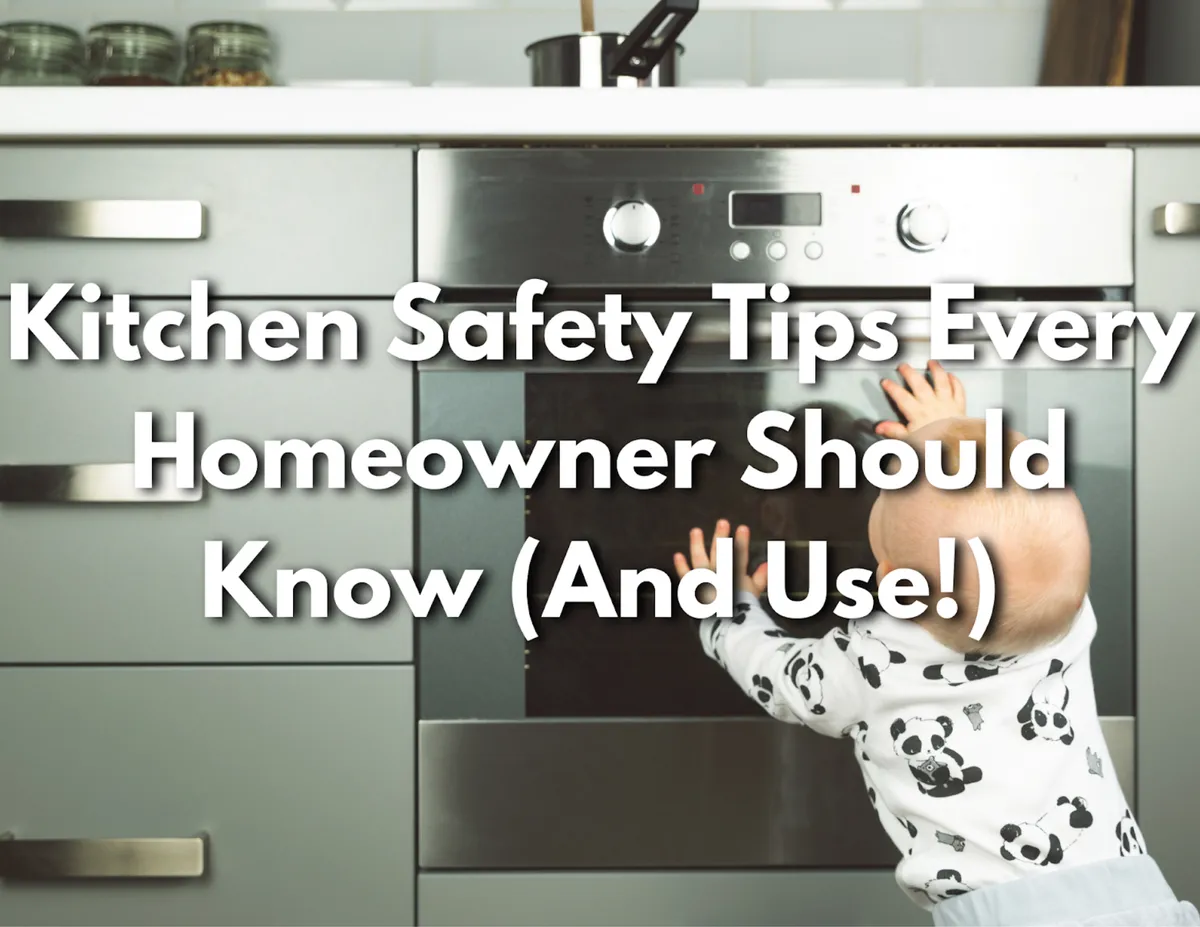
Kitchen Safety Tips Every Homeowner Should Know (And Use!)
Whether you're a seasoned home chef or just heating up leftovers, the kitchen is one of the most used—and most potentially dangerous—spaces in your home. From sharp knives to hot stovetops and everything in between, staying safe in the kitchen is essential for avoiding accidents and protecting your home.
Here are some practical kitchen safety tips every homeowner should know—and implement—starting today!
Fire Prevention Starts with Awareness
Kitchen fires are one of the leading causes of house fires in the U.S., but many are preventable. Here's how you can reduce your risk:
Never leave cooking unattended. Even a quick trip to answer the door or check your phone can be enough time for a fire to start.
Keep flammable items away from the stovetop. This includes dish towels, paper towels, pot holders, and loose clothing.
Clean your appliances regularly. Built-up grease in ovens or toaster ovens can catch fire if left unchecked.
Pro Tip: Install a fire extinguisher nearby and make sure everyone in your household knows how to use it.
Watch Those Electrical Hazards
Appliances make our lives easier—but only when they’re used properly. Misused or outdated electrical items can cause sparks, fires, or shocks.
Inspect cords and plugs for fraying or exposed wires.
Avoid overloading outlets or power strips.
Unplug small appliances like toasters or coffee makers when not in use.
Safety first, convenience second.
Knife Sense: Handle with Care
Dull knives might seem safer, but they actually cause more accidents than sharp ones. Here’s how to stay safe:
Use the right cutting surface. Always cut on a non-slip cutting board.
Keep your knives sharp. A clean cut is a safe cut.
Never leave knives in a sink of water. Someone could reach in and get cut.
Slow down and take your time—most knife injuries happen when we’re rushing.
Slip-Proof Your Space
Spills happen, but quick cleanup is key. Wet or greasy floors are a major hazard.
Clean up spills immediately.
Use slip-resistant mats near sinks or prep stations.
Keep floors clear of obstacles or clutter to prevent trips.
Think of your kitchen as a mini workspace—safe, clean, and efficient.
Safety for Kids & Pets
Curious hands and paws can easily get into trouble. If you have children or pets in the house:
Install safety locks on drawers and cabinets that store sharp or dangerous items.
Use back burners when cooking to keep hot pots and pans out of reach.
Create a no-go zone around the stove when it’s in use.
A few preventive steps can give you peace of mind—and fewer accidents to worry about.
Be Prepared for the Unexpected
Even with the best precautions, accidents can happen. Make sure you're ready:
Have a first-aid kit in or near the kitchen.
Know how to respond to burns, cuts, or minor injuries.
Create a fire escape plan and practice it with your family.
Preparedness saves lives.
Final Thoughts
The kitchen is the heart of the home—so it’s worth taking a few extra steps to keep it safe. Whether you’re cooking a weeknight dinner or hosting the holidays, these safety tips can help you protect your family and property for years to come.
Disclaimer: This information is for general knowledge and informational purposes only and does not constitute financial, tax, or legal advice. We are not lawyers, financial advisors, accountants, loan officers, or mortgage brokers. Please consult with a qualified professional to understand your specific needs.





Disclaimer: All information contained on this website is deemed reliable but not guaranteed. All properties are subject to prior sale, change or withdrawal notice jefflarueteam.com believes all information to be correct but assumes no legal responsibility for accuracy.