How Much Is Your Home Worth?

Blog
CONTACT
Realty Executives Associates
License #: 248979
License #: 268528
10255 Kingston Pike, Knoxville, TN, 37922
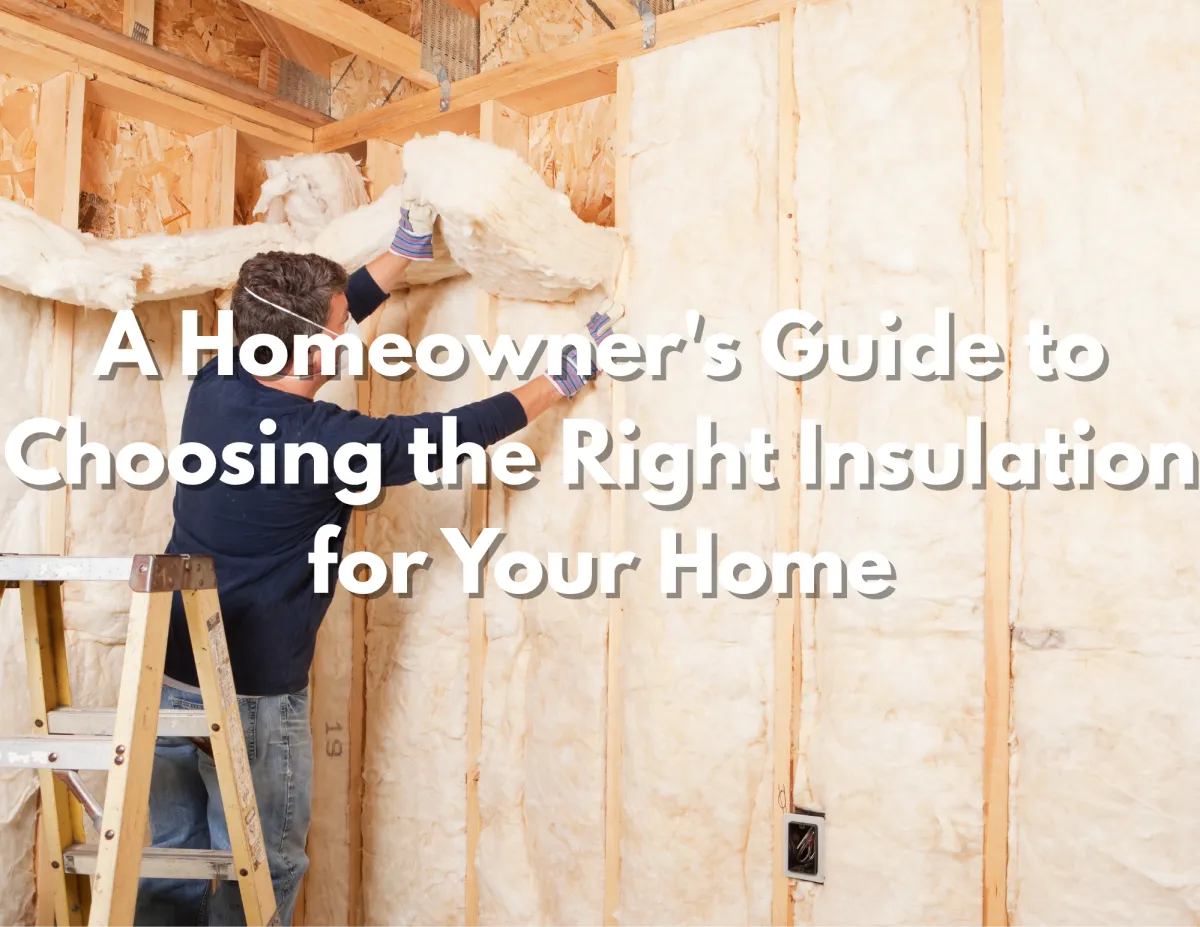
A Homeowner's Guide to Choosing the Right Insulation for Your Home
When it comes to making your home more comfortable and energy-efficient, insulation plays a crucial role. Whether you're building a new home or looking to improve your current one, choosing the right insulation can make a huge difference in your energy bills and overall comfort. Here's everything you need to know about buying home insulation!
Why Insulation Matters (And How It Saves You Money)
Insulation works by reducing the flow of heat in and out of your home. During winter, heat escapes, and in the summer, it rushes in. A well-insulated home helps keep that heat where you want it, reducing your reliance on heating and cooling systems. This means less energy use, and potentially more savings in your pocket!
Understanding Insulation: What Does R-Value Mean?
When you're shopping for insulation, one of the most important factors to consider is the R-value. R-value measures the insulation's resistance to heat flow—the higher the R-value, the better the insulation. Different types of insulation—like batts, rolls, and loose-fill—can have the same R-value, but vary in how they're installed and the spaces they work best in.
For example, if Company A and Company B both offer insulation with an R-value of 38, then you know their effectiveness is the same, even if one is loose-fill and the other is blanket insulation. Knowing the R-value helps you make informed decisions on the best insulation for your needs.
R-Value Labeling: Trustworthy Information
The Federal Trade Commission (FTC) enforces the R-value Rule, ensuring manufacturers provide honest information on their insulation products. This includes:
Labels on packages of insulation
Fact sheets provided by retailers and installers
Sales contracts for new homes that must include insulation R-value details
If you ever find it difficult to get accurate information, it might be worth seeking a different supplier who can give you the clarity you need.
How to Choose the Right R-Value for Your Home
Your home's insulation needs depend on several factors:
Your Climate
Cold climates (like the Northeast) need more insulation compared to warmer areas (such as Southern California).
Your Home’s Layout
Single-story or multi-story? Cathedral ceilings or basements? Each type of home structure requires different insulation considerations.
Energy Efficiency Goals
Consider conducting a home energy audit, which can identify areas of heat loss in your home. A professional assessment or a DIY audit can help pinpoint where your energy efficiency can improve.
Energy Audits: A Smart Step Toward Energy Efficiency
A home energy audit helps you figure out where your home is losing heat and how to fix it. You can hire a professional or, in many cases, do it yourself. Many utility companies offer free or low-cost energy assessments, and state or local weatherization offices might provide additional resources.
Get Expert Help
If you're unsure about your insulation needs or how to improve energy efficiency, talk to a professional. From choosing the right insulation type to understanding the best R-value for your home, an expert can guide you through the process.
Disclaimer: This information is for general knowledge and informational purposes only and does not constitute financial, tax, or legal advice. We are not lawyers, financial advisors, accountants, loan officers, or mortgage brokers. Please consult with a qualified professional to understand your specific needs.





Disclaimer: All information contained on this website is deemed reliable but not guaranteed. All properties are subject to prior sale, change or withdrawal notice jefflarueteam.com believes all information to be correct but assumes no legal responsibility for accuracy.